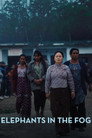

Nepali cinema has just had a major moment on the global stage. Following Elephants in the Fog (Tiniharu) winning a top prize at Cannes, international attention is turning toward a film culture that has long evolved quietly at the margins of global conversation.
For years, Nepali filmmakers have been crafting intimate, politically alert and formally confident cinema, often with modest resources but remarkable clarity of vision. Rooted in local realities — mountain communities, post-conflict anxieties, caste, migration and changing social structures — these films speak in a cinematic language that feels deeply specific yet universally resonant.
If Elephants in the Fog (Tiniharu) has made you curious about what contemporary Nepali cinema looks like beyond the Cannes spotlight, here are five films worth exploring.
1. White Sun (2016)
If you watch only one Nepali film, make it this.
Set in the aftermath of Nepal’s Maoist civil war, White Sun follows a former Maoist fighter returning to his mountain village to bury his father. What unfolds is a quietly devastating portrait of a fractured society still negotiating old wounds, caste divisions and political resentment.
What makes the film exceptional is its tonal control. Director Deepak Rauniyar finds humour amid tragedy, absurdity amid grief. The politics are ever-present, yet never feel didactic.
It is that rare political drama that remains profoundly humane.
2. Kalo Pothi (The Black Hen) (2015)
Min Bahadur Bham’s breakout feature begins with a deceptively simple premise: two young boys search for a missing hen during the Maoist insurgency.
Yet beneath this modest setup lies an extraordinary coming-of-age story about friendship, class and violence creeping into everyday life.
The film’s genius lies in how lightly it carries its political backdrop. Rather than foreground ideology, it allows history to seep into the story through atmosphere and consequence.
Tender, restrained and emotionally precise, Kalo Pothi remains one of the defining films of modern Nepali cinema.
3. Pooja, Sir (2024)
One of the most exciting recent Nepali films, Pooja, Sir shifts gears into something closer to a procedural thriller.
Set during political unrest in Nepal’s Madhesi region, the film follows a female detective investigating a kidnapping while navigating ethnic tensions and institutional pressures.
For viewers who prefer stronger narrative propulsion over meditative pacing, this may be the ideal entry point into contemporary Nepali cinema. It balances genre storytelling with political commentary without sacrificing complexity.
Timely, gripping and unusually accessible for a festival title, this feels like a film destined to travel widely.
4. Shambhala (2024)
If White Sun is the most dramatically satisfying film on this list, Shambhala may be the most visually ambitious.
Directed by Min Bahadur Bham, the film follows a pregnant woman journeying across the Himalayas after her husband disappears. Along the way, questions of faith, desire and identity unfold against breathtaking mountain landscapes.
Premiering in competition at the Berlin Film Festival, Shambhala marked a historic moment for Nepali cinema.
This is slower, more meditative viewing — closer to spiritual cinema than conventional drama — but for audiences drawn to immersive visual storytelling, it offers something quietly transportive.
5. Talakjung vs Tulke (2014)
Less internationally famous than the others, but deeply rewarding.
This tragicomedy follows an insecure man trying to reclaim social respect after political and economic shifts upend village life.
What emerges is a sharp, funny and painful study of masculinity, humiliation and status anxiety — themes that feel strikingly universal.
Its social observations are biting, yet the film never loses compassion for its flawed protagonist.
A Cinema Worth Paying Attention To
What makes contemporary Nepali cinema exciting is not scale or spectacle. It is confidence.
These films do not chase international trends or imitate mainstream global storytelling. Instead, they embrace specificity — mountain villages, post-conflict realities, caste dynamics, migration, bureaucracy — and trust audiences to meet them on their own terms.
The result is a body of work that feels intimate, politically aware and emotionally grounded.
If Cannes has finally put Nepali cinema on your radar, these five films are a good place to begin.