Ankur Hooda’s The Calf Doll has been selected for the Documentary Competition – Grierson Award at the 70th BFI London Film Festival, becoming the first Haryanvi-language film to be selected for the festival, according to the film’s makers and The Hollywood Reporter India.
The film will have its UK premiere on October 8, screening as one of eight titles competing for the Grierson Award, the festival’s documentary competition prize. The BFI lists The Calf Doll as a 91-minute Indian film in Haryanavi, directed and written by Hooda.
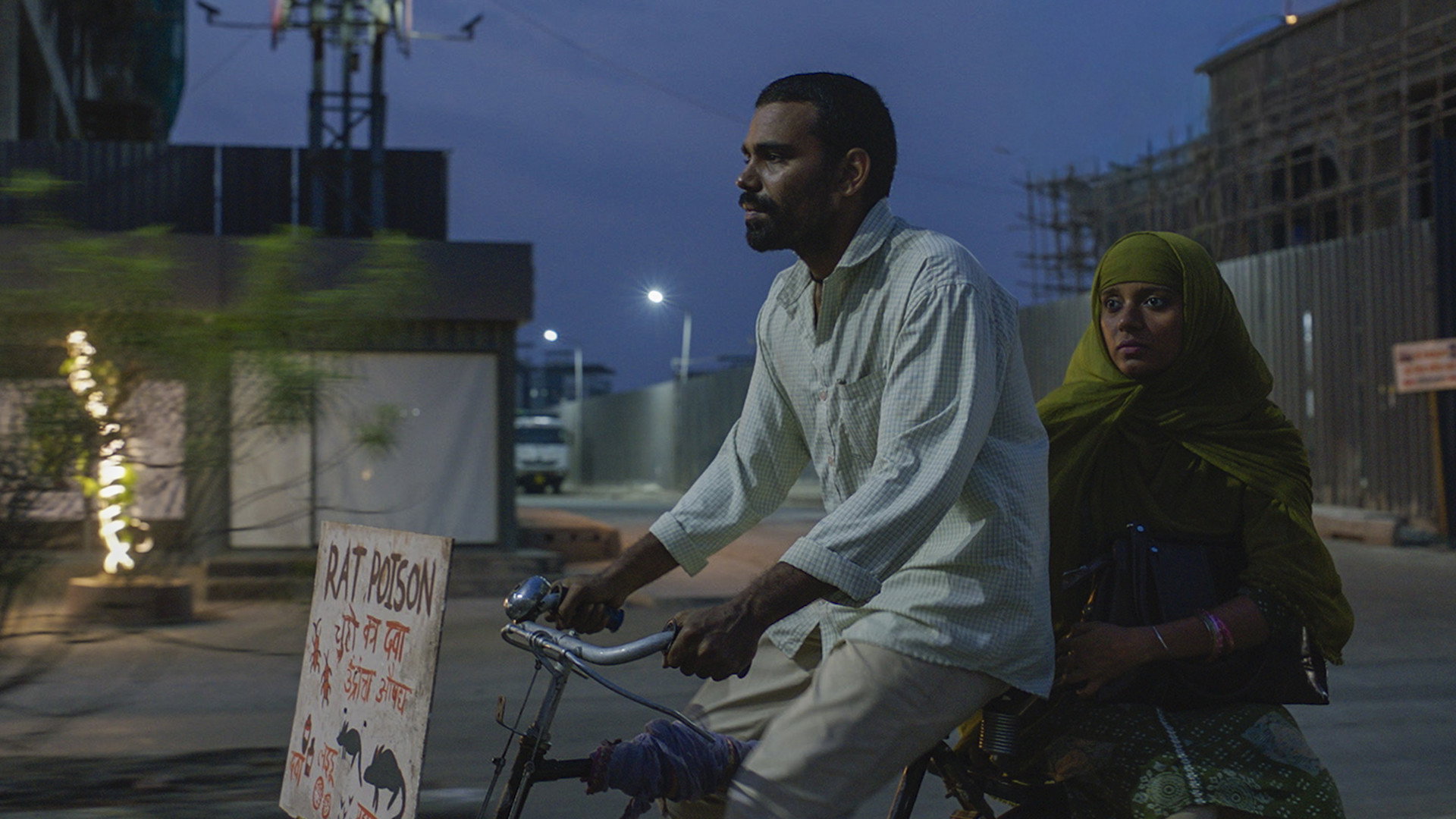
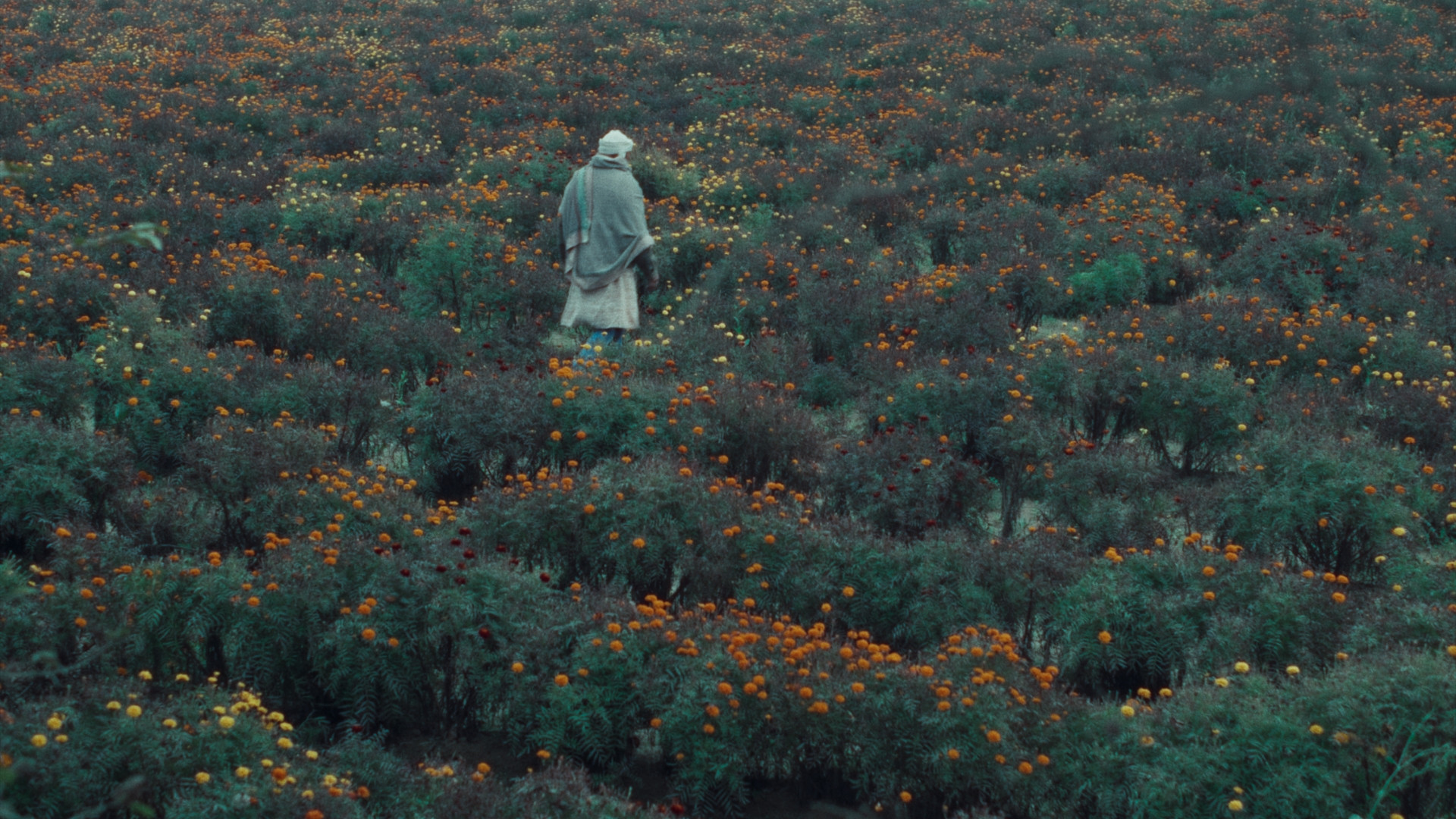
Set in a village in Haryana, the film follows a retired professor whose cow gives birth to a stillborn calf. He turns to an outlawed calf-doll ritual, creating a doll from the dead calf in an attempt to restore the cow’s ability to produce milk. The film uses a hybrid para-fiction approach, with Hooda’s grandparents playing improvised versions of themselves.
Hooda, who was born in Haryana in 2000, made the film in his ancestral village through an improvisational process that deliberately blurred documentary and fiction. He also produced and edited the film. According to Hooda, the project was made without institutional backing; cinematographer and co-producer Anish Sarai and filmmaker Achal Mishra’s personal DSLRs were used for shooting, with lenses and sound equipment borrowed from friends.
The BFI selection represents the latest step in a strong international festival run for the debut. The Calf Doll had its world premiere at CPH:DOX in March, where it was presented as a Haryanavi-language film, before screening in the International Competition at the Jeonju International Film Festival.
It subsequently played at Guanajuato International Film Festival and DokuFest, giving the independently produced film a steadily expanding international footprint before its London selection.
For Indian independent cinema, the LFF selection is significant not simply because of the festival’s profile, but because The Calf Doll brings a Haryanavi-language, rural Indian film made outside the conventional production system into one of the world’s major festival competitions. The film is now competing alongside seven other documentaries for the Grierson Award.